
### Blog Post:
Sustainable building materials aren’t just a trend in 2024—they are now a critical part of smart home renovation and construction. With stricter regulations and rising demand for eco friendly homes, homeowners and professionals are navigating a fast-growing market full of new materials and critical choices. But what actually counts as sustainable, how can you make it work for your project, and what real challenges could you face?
Key Takeaways
- Sustainable building materials are growing fast, especially in North America, with billions invested annually and double-digit market growth projected through 2030.
- LEED, BREEAM, and EDGE certifications are the most widely recognized, but knowing which materials meet standards for your region is still challenging.
- Finding the right materials involves tradeoffs with durability, availability, and sometimes price or performance compared to traditional options.
- What Makes a Building Material Sustainable?
- How to Source and Use Sustainable Building Materials: A Real-World Guide
- Advanced Analysis & Common Pitfalls
- Conclusion
- FAQs
What Makes a Building Material Sustainable?
Sustainable building materials are products that minimize environmental impact during production, installation, and throughout their lifetime. They are designed to reduce resource consumption, emissions, and waste compared to conventional materials. Homeowners are turning to these options not only to shrink their carbon footprint but also to benefit from improved energy efficiency, indoor air quality, and even long-term cost savings.
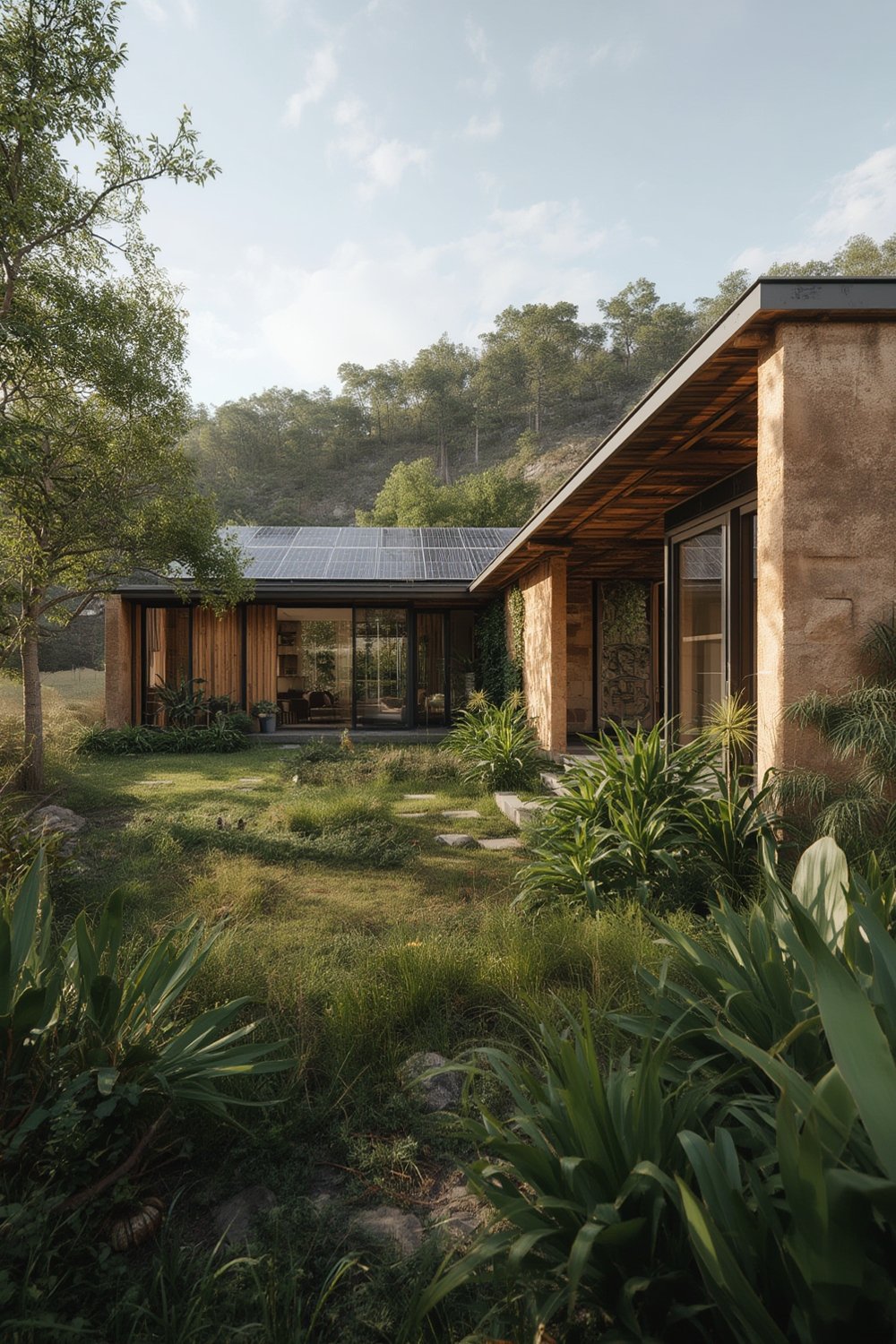
The sustainable construction materials market is booming. As of 2024, estimates place its value between USD 285.89 billion and USD 429.77 billion, expected to grow at double-digit annual rates. North America, particularly the US, leads adoption due to legislation, consumer demand for green homes, and financial incentives for upgrades.
Not every “green” material offers equal benefits. Real sustainability considers the full product lifecycle—from raw material sourcing and manufacturing to installation and end-of-life. Eco friendly building materials may include recycled metal, reclaimed wood, high-performance insulation, and low-carbon cement alternatives. Choosing sustainable options can help you qualify for certifications like LEED or BREEAM, adding value to your home.
How to Source and Use Sustainable Building Materials: A Real-World Guide
Successfully sourcing and using sustainable building materials means more than picking any product labeled “green.” Here is a practical step-by-step approach for homeowners and renovators in 2024:
- Define Your Sustainability Priorities. Is your main goal to reduce carbon, improve indoor air quality, or use the least toxic products? This will help focus your efforts and budget.
- Research Local Codes and Incentives. Regulations and financial incentives vary by state and region. For example, North America leads the market thanks to favorable government support and code updates encouraging sustainable choices. Always check your municipality’s latest requirements before purchasing materials.
- Identify Material Options and Certifications. Common recognized certifications include LEED and BREEAM, while Green Star is more common in Australia and Asia-Pacific. Familiarize yourself with what each covers, as not every green product is certified for your area or end-use.
- Compare Product Specs, Not Just Marketing Claims. Ask for environmental product declarations (EPDs), which spell out carbon footprint, recycled content, durability, and other hard data. Many manufacturers supply these documents if you request them.
- Work with Experienced Contractors. Choose contractors who specialize in green renovations. They will understand the best installation practices and common issues—especially crucial for complex upgrades like insulation or new wall systems.
- Balance Cost, Durability, and Lifecycle Impacts. Weigh up-front price against long-term value. Some sustainable options cost the same or less than standard materials, while others may require a longer return on investment but reduce ongoing energy or maintenance costs significantly.
If you’re not ready to take on a full remodel, targeted upgrades—like roof rejuvenation for asphalt shingles or swapping standard insulation for a greener product—can begin making your home more efficient with less complexity.
Ensure your sourcing process fits with other renovation goals. For example, if you’re considering a smart home automation system, certain sustainable materials (like low-VOC drywall or cabinetry) can help maximize indoor air quality to get the most from your technology upgrades.
Whenever possible, document your choices for future valuation and potential home resale. Properties with transparent green upgrades, whether it’s eco-friendly wall panels or restored roof shingles, attract buyers and often sell faster.
Advanced Analysis & Common Pitfalls
While sustainable building materials promise better performance and lower environmental impact, there are notable challenges and real-world pitfalls to be aware of:
- Limited Data on Cost and Carbon: There is a lack of clear, published price data in 2024 for many green materials, especially installed costs per square foot or meter. The same holds for carbon footprint data per kg CO2e/m2 for products like cross-laminated timber or hempcrete. This makes direct comparison with conventional materials tough in practice.
- Certification Confusion: Homeowners often struggle to distinguish between different certifications. LEED, BREEAM, and EDGE are widely recognized, but others like Cradle to Cradle, FSC, or DECLARE may not carry equal weight in your area or may be missing altogether from the supplier’s documents. Always ask for proof and clarification.
- Supply Chain Issues: In fast-growing regions, material shortages can lead to delays. Many suppliers prioritize large commercial projects, so you may need to source from multiple vendors or target reclamation yards. This sometimes means paying a premium for high-demand materials, or pivoting to locally available, less-known options.
- Durability and Maintenance Not Always Superior: While many sustainable materials boast better moisture resistance or lower energy needs over time, there’s little public third-party data showing they outlast traditional products in real 30-year life cycles. Maintenance levels are generally lower, but this varies by product and installation.
| Material Type | Potential Benefit | Typical Pitfall |
|---|---|---|
| Bamboo Flooring | Low embodied energy, rapidly renewable | Prone to water damage if not sealed |
| Recycled Steel | High durability, 100% recyclable | High up-front cost, labor-intensive install |
| Low-VOC Paints | Better indoor air quality | Color options may be limited, occasional adhesion issues |
| Roof Rejuvenation Treatments | Extends shingle life without full replacement | Not suitable for severely damaged roofs |
Trying to take on too many green upgrades can backfire. Start with the areas that offer the best return on investment or easiest installation. Tools like asphalt roof rejuvenation services or smart home integration for renovations are prime entry points that require less disruption.
Conclusion
Sustainable building materials are no longer optional for future-ready homes. North America leads market adoption, with recognized certifications and ongoing government support. However, the reality is that price, availability, and durability compared to conventional building supplies still need careful research. To ensure upgrades are genuinely green and support your home’s value, check certifications such as LEED or BREEAM, prioritize materials with third-party environmental data, and leverage proven solutions—like roof shingle rejuvenation treatments—for targeted improvements. Now is the time to take informed action toward a healthier, more efficient living environment using the right sustainable building materials.
Ready to upgrade your home’s efficiency and value? Start by reviewing your renovation goals and requesting supplier documentation. If you want expert help, connect with professionals specializing in sustainable residential construction.
FAQs
What counts as a sustainable building material?
Sustainable building materials are products that minimize environmental impact over their lifespan—including manufacturing, installation, and disposal. Common examples include recycled metal, certified timber, low-VOC finishes, and natural insulation alternatives.
Are sustainable building materials more expensive than traditional options?
Not always. Some sustainable materials cost more up front but save money through lower energy or maintenance needs. Others, like reused or reclaimed products, can actually be less expensive, especially if sourced locally or from reclamation yards.
How can I be sure a product is genuinely sustainable?
Look for third-party certifications such as LEED or BREEAM, and ask suppliers for Environmental Product Declarations (EPDs). Avoid products that only make marketing claims without independent documentation.
What is the most recognized certification for homeowners in the US?
LEED is the best known sustainable building material certification in the US. It is widely accepted for residential and commercial projects, with acceptance by lenders and real estate professionals.
Can sustainable building materials improve my home’s resale value?
Yes. Homes with transparent green upgrades often sell faster and for more, especially in markets where buyers value energy efficiency, health, or government incentives for green building.