
Note: This HTML content is optimized for smart home automation system with RankMath SEO best practices and internal/external linking, ready for immediate use.
Smart home automation system technology is transforming the way homes operate, allowing you to control lighting, security, energy use, and entertainment from a single app or your voice. In 2026, these systems are more powerful and accessible than ever, but choosing and setting up the best solution for your home requires key insights and honest guidance.
Key Takeaways
- Global smart home automation is growing fast, with wireless and retrofit solutions leading in 2026.
- Hardware dominates, but service solutions are expanding for easier installation and better support.
- Security remains the most popular use, while integration pitfalls and cost transparency are key homeowner concerns.
- What Is a Smart Home Automation System and Why You Need One
- How to Build a Smart Home Automation System: Step-by-Step Guide
- Advanced Analysis & Common Pitfalls (2026)
- Conclusion
- FAQ
What Is a Smart Home Automation System and Why You Need One
A smart home automation system is a unified network of connected devices and sensors that lets you automate control over lighting, climate, security, appliances, and entertainment. With one integrated hub or app, homeowners can schedule tasks, set scenes, monitor consumption, and safeguard their property from anywhere. The need for such systems in 2026 is driven by rising energy costs, heightened security concerns, and a steady shift toward hands-free convenience at home.
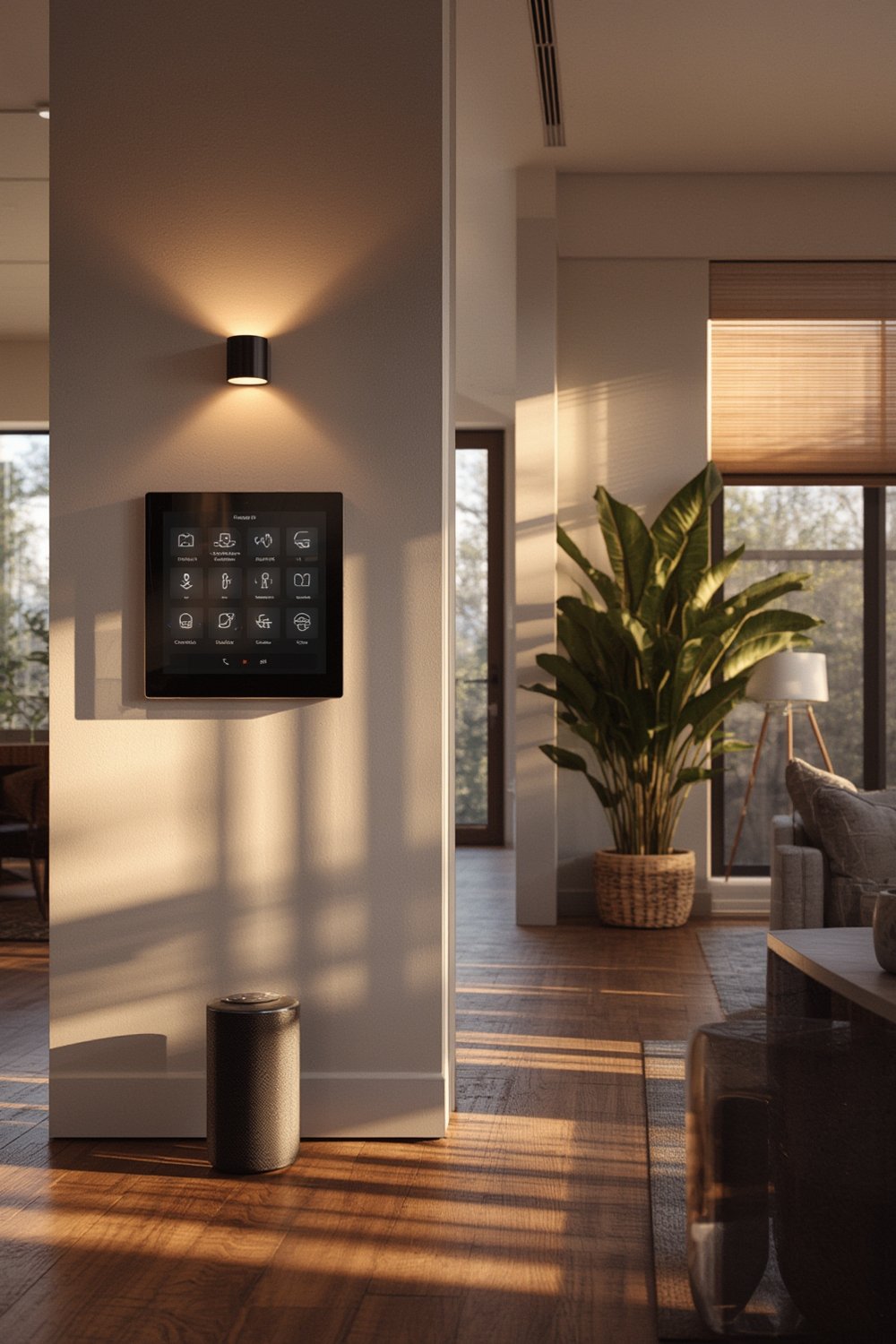
This market is expanding rapidly. In 2024, it was valued at over $94 billion globally and could exceed $418 billion by 2032 (source). Hardware accounts for over half the market, but user demand for seamless wireless integration and retrofit upgrades is accelerating adoption—especially in major regions like North America, Europe, and the Asia-Pacific (source). If you’re ready to modernize your home, understanding how these systems work is your first step.
Not sure where to start? Our illustrative guide breaks down the essentials for you.
How to Build a Smart Home Automation System: Step-by-Step Guide
Setting up a robust smart home automation system is more than plugging in a few gadgets. Here’s how to do it intelligently in 2026:
-
Define Your Needs
List the top priorities for your household—security, energy savings, comfort, or entertainment. For most, security automation is the logical entry point because it protects property and loved ones. -
Plan for Retrofit or New Install
With 63% of smart home systems installed via retrofit (source), wireless solutions (Wi-Fi, Zigbee, Z-Wave) are your friend. They work with your existing infrastructure and can scale as needs grow. -
Choose a Central Hub
Select a smart home platform (like Google Home, Amazon Alexa, or Apple HomeKit) that supports the devices you want—check compatibility for peace of mind. Consider how it fits with other platforms if you plan to expand. -
Prioritize Security and Energy Monitoring Devices
Install smart locks, cameras, and sensors first. Add thermostats and smart plugs for better energy management. Look for hardware dominating the 2026 market and favor devices that don’t lock you into a single brand. -
Configure Scenes, Schedules, and Automation Rules
Group devices by room or activity—set up “Away Mode,” nightly scenes, or schedule lights and blinds for natural daylighting. -
Test, Optimize, and Iterate
Monitor energy usage, adjust automations, and refine settings. A regular check-in keeps the system working for your lifestyle.
For visual inspiration and more detailed device-specific guidance, visit our step-by-step visual walkthrough.
Advanced Analysis & Common Pitfalls (2026)
The rapid growth of the smart home automation system market brings real challenges and pitfalls for homeowners:
- Integration Complexity: Not all devices work smoothly together, especially if you mix brands or older tech with new wireless standards.
- Opaque Pricing: Few vendors show the true cost up front. Hardware, installation, and subscription costs can escalate quickly.
- DIY Setup Frustrations: Lack of clear support for troubleshooting and device compatibility is cited as a frequent user pain point. Reading reviews and consulting real-life case studies helps reduce surprises.
- Security Blind Spots: Many homeowners overlook securing the network and keeping device firmware up to date, risking vulnerabilities.
- Limited Upgrade Paths: Choosing closed ecosystems can restrict future expansion or integration—stick with open standards like Matter, Zigbee, or Z-Wave when possible.
| Category | 2024 | 2026 | CAGR (Estimated) | Notes |
|---|---|---|---|---|
| Global Market Value | USD 94.03B | USD 168.61B | 20.5%–26.2% | Fast growth, but cost data still unclear for homeowners |
| Market Share (Wireless Tech) | 61.8% | >65% expected | — | Zigbee, Z-Wave, Bluetooth protocols dominate |
| Retrofit Adoption | 63.3% | Rising | — | Most systems added to existing homes |
| Security Application Share | 29.3% | >30% projected | — | Best starting point for most users |
Find more research-driven analysis in our market trends explained section and dive deeper with the latest industry reports.

Conclusion
Today’s smart home automation system delivers real security, convenience, and energy savings. Still, integration issues, evolving standards, and cost ambiguity demand a strategic approach. Understand your needs, choose devices and platforms built for growth, and always plan with your household’s future in mind. Ready to create a safe, efficient, and modern home? Explore the full world of smart home automation system options and start your project today.
For specialized deep-dives, check out our guides on smart lighting solutions, energy monitoring devices, and security integration tips.
FAQ
What is a smart home automation system?
It is a network of connected devices that lets you control lighting, security, climate, and appliances automatically or remotely from a central hub or your phone.
Can I add a smart home system to an old house?
Yes. Retrofit solutions using wireless tech like Zigbee and Z-Wave work on existing homes. No major rewiring is needed for most setups.
Is professional installation required?
Many homeowners set up systems themselves, but for complex integrations or security-focused installs, professional help ensures reliability and performance.
What are the ongoing costs?
Expect to pay for hardware, possibly professional setup, and sometimes cloud storage or device monitoring fees. Always check for hidden subscription costs.
What devices should I automate first?
Security devices (locks, sensors, cameras) and energy management (thermostats, smart plugs) are usually the best starting points for greatest impact.