
Biophilic design home strategies are rapidly transforming the way people create healthier and more inspiring living spaces, connecting indoor lifestyles directly to nature.
Key Takeaways
- Biophilic design in the home can boost well-being and reduce stress but presents cost and maintenance challenges.
- Smart and affordable alternatives to exotic natural materials exist, including simulated finishes and modular vertical gardens.
- Empirical research mostly covers commercial use, but the core wellness benefits still apply to homes, with evolving innovations on the horizon.
- What Is Biophilic Design Home and Why Does It Matter?
- How to Incorporate Biophilic Design in Your Home: Actionable Steps
- Real-World Challenges, Analysis, and Pitfalls
- Conclusion
- Biophilic Design Home FAQ
What Is Biophilic Design Home and Why Does It Matter?
Biophilic design home refers to the intentional practice of introducing elements of nature—such as daylight, greenery, natural materials, and organic shapes—into every aspect of residential architecture and interior design. The goal is to reconnect people with the outdoors for greater health, relaxation, and cognitive clarity. While the science is more robust in workplaces and schools, recent reports show growing demand for these stress-reducing features in private homes.
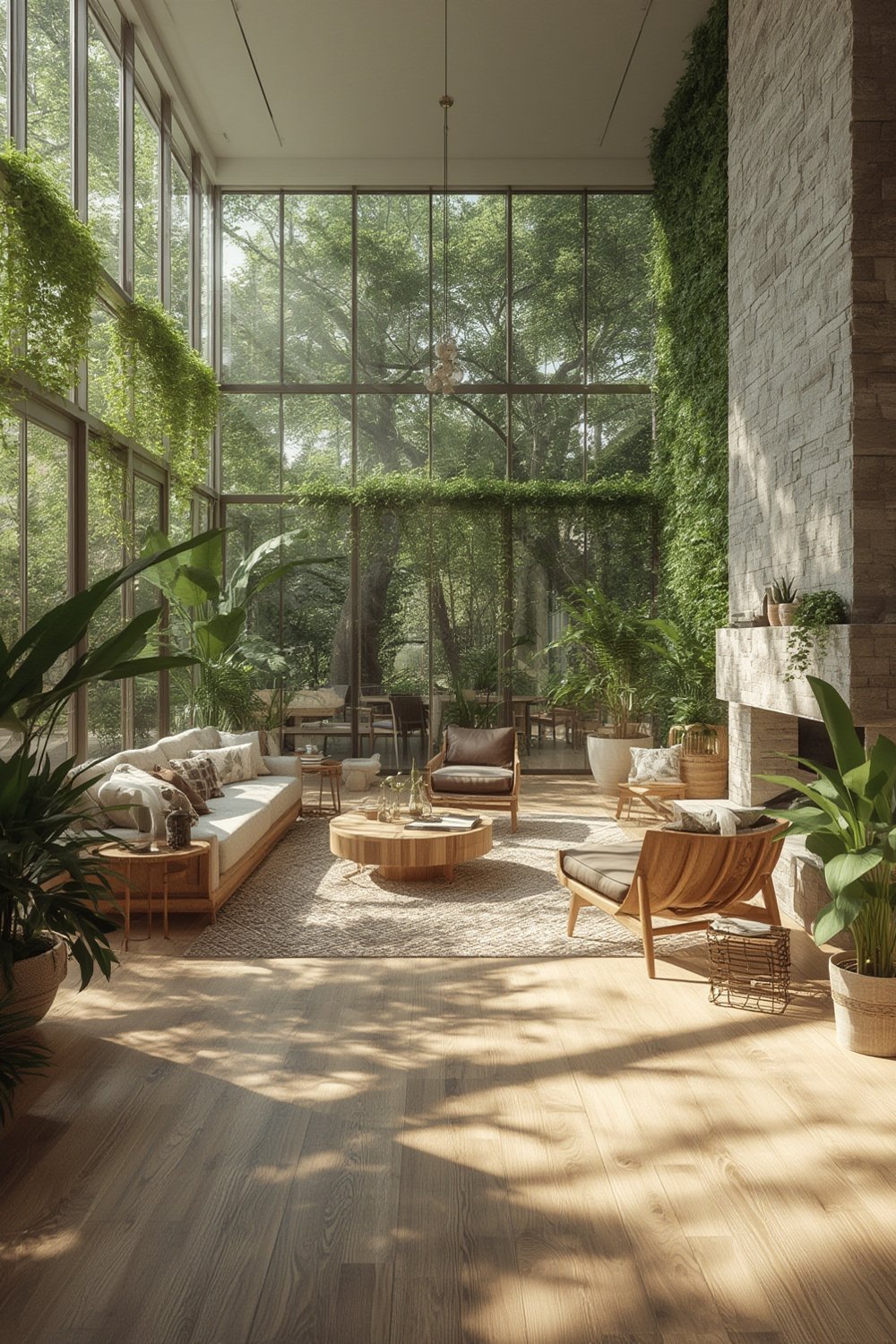
Biophilic strategies range from big interventions like living walls and panoramic windows to easy wins such as introducing houseplants, water features, or nature-inspired décor. As climate and wellness concerns rise, many homeowners are looking at biophilic features not just for comfort, but also as ways to boost home value using sustainable building materials.
The practical benefits—reduced stress hormones, enhanced relaxation, and immune-boosting effects—are linked to an intuitive human need for green space (see 2024 research summary). Residential evidence is growing, with more homeowners eager to try these concepts despite some real-world hurdles.
How to Incorporate Biophilic Design in Your Home: Actionable Steps
Bringing biophilic design home can be done by following these concrete steps, adapted for varying budgets and property types:
- Start Small: Add potted plants, compact moss walls, or tabletop water features to high-traffic rooms for instant greenery and calm. Choose easy-maintenance species like pothos or snake plant.
- Maximize Natural Light: Rearrange spaces to capture daylight. Use reflective surfaces, light curtains, and consider net zero ready home upgrades like solar-ready window placements for further energy benefits.
- Introduce Natural Materials: Opt for accessible woods, stone tiles, or recycled bamboo furniture. For a greener footprint, consult the sustainable building materials guide.
- Install a Living Wall or Green Screen: If space and budget allow, wall-mounted plant panels or DIY plant displays are powerful visual statements. Modular kits simplify maintenance compared to commercial living walls.
- Create Outdoor-Indoor Flow: Blur boundaries using sliding doors, patios, or indoor-outdoor seating. Even low-cost adjustments—like an herb garden by a kitchen window—reinforce the connection.
For maximum impact in larger projects, combine green features with energy efficiency upgrades or integrate smart lighting to mimic natural circadian rhythms (see smart lighting automation ideas). This multiplies the health and mood benefits of a biophilic design home.
Finally, regularly rotate plant types or natural accents seasonally. This not only refreshes the look but also ensures biodiversity and visual variety for lasting effect.
Real-World Challenges, Analysis, and Pitfalls
While the benefits of biophilic design home strategies are substantial, homeowners consistently face barriers when adopting them—especially cost, maintenance, and technical know-how.
- Cost: Real wood, stone, and oversized windows can cost so much—exotic hardwoods sometimes exceed $30 per square foot. Large plant installations hurt budgets further, especially for complex living walls (source).
- Maintenance: Natural materials and living greenery must be maintained constantly. Watering systems, pruning, and repairs (such as for moss panels or irrigation leaks) can quickly outweigh initial investments. Homeowners often underestimate this burden until upkeep costs mount.
- Familiarity Issues: Most people and even some designers default to traditional furnishing, missing out on modular or hybrid biophilic solutions that are easier to install and maintain. Awareness is still growing for simulated but convincing eco-materials.
- Technical Barriers: Light, space, humidity, and irrigation requirements for vertical gardens or large living walls are rarely well understood by DIYers. Lack of professional guidance can result in failed installations, wasted budgets, or even water damage.
| Material/Feature | Pros | Cons | Approx Cost in 2024 | Maintenance Needs |
|---|---|---|---|---|
| Exotic Hardwood Floors | Stunning look, genuine feel, longevity | Pricey, needs regular sealing, scratches easily | $30+/sq ft | High (sealing, refinishing, repairs) |
| Living Wall (Pro Install) | Air purification, extreme visual impact | Expensive, requires specific light and irrigation | Varies—often $100s to $1000s per install | Very High (watering, pruning, pest control) |
| DIY Plant Groupings | Low initial cost, customizable, low risk | May look cluttered if not planned, air quality impact limited | $10–$200+ (planters, plants) | Low to moderate (watering, occasional repotting) |
| Simulated Natural Finishes | Very affordable, durable, easy to maintain | Lacks authentic tactile quality, but looks convincing | $2–$8/sq ft | Very Low (wipe clean) |
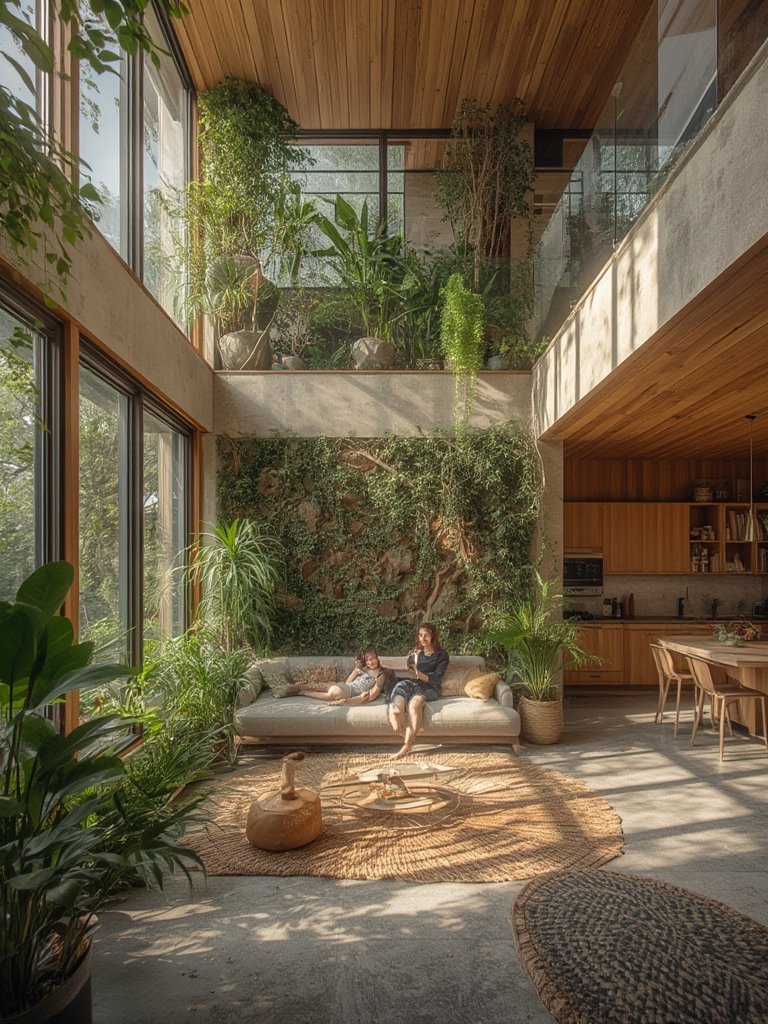
Case studies such as Milan’s Bosco Verticale highlight the scalability and maintenance hurdles for replicating complex biophilic features in smaller homes.
Despite the allure of dramatic green spaces, for many households, the middle ground is smarter: hybrid solutions, simulated materials, and modular plant kits strike an affordable and low-maintenance balance. For more on boosting your home’s long-term value affordably, check the roof shingle rejuvenation treatment guide—another trending upgrade that saves money and reduces replacement waste.
Conclusion
A biophilic design home is well-supported by modern research to improve relaxation, boost mood, and add resale value. The growing selection of natural and simulated elements means homeowners can incorporate nature affordably and creatively. Still, cost and maintenance barriers are real—so start small, scale up gradually, and always tailor choices to your space and climate. Ready to transform your space with biophilic design home upgrades? Review your needs, set a budget, and take the first nature-inspired step now.
Biophilic Design Home FAQ
Does biophilic design home really improve well-being?
While most large-scale studies focus on commercial spaces, mounting evidence shows indoor greenery and abundant daylight decrease stress and may improve mental clarity, even in homes (source).
What’s the easiest way to start with a biophilic design home?
Start by introducing a few houseplants or small moss wall, maximize sunlight, and use simple, natural textures in decoration. Avoid complex installations at first.
How much does it cost to install an indoor living wall?
No exact 2024 pricing is available, but professional installations can range from several hundred to thousands, with ongoing maintenance costs that can exceed initial spend. DIY vertical gardens or modular kits are far cheaper and more manageable (source).
What’s better: real or simulated natural materials?
Real wood and stone feel authentic but cost much more and need more care. Simulated finishes look convincing, are more affordable, and far easier to maintain. Both can work; weigh budget, lifestyle, and desired effect.
Are there any smart home upgrades that blend well with biophilic design?
Yes—integrating smart lighting or humidity controls can mimic dawn or sunset and keep plants healthy, streamlining your daily routines. See our smart home automation security guide for ideas.