
Indoor outdoor living space renovations have become one of the top ways to boost comfort and curb appeal in 2024, driven by rising homeowner demand and strong evidence these upgrades increase resale value.
Key Takeaways
- Creating seamless indoor outdoor living space designs can significantly boost your home’s value and attract buyers.
- Practical challenges—like climate, bugs, or privacy—require careful planning and the right materials for daily usability.
- There are actionable, step-by-step strategies and innovations to maximize both comfort and ROI for any budget.
- What Is an Indoor Outdoor Living Space and Why Does It Matter?
- Step-by-Step Guide: Transforming Your Living Area for True Indoor Outdoor Flow
- Advanced Analysis & Common Pitfalls to Avoid
- Conclusion
- Frequently Asked Questions
What Is an Indoor Outdoor Living Space and Why Does It Matter?
An indoor outdoor living space is where your home’s interior and exterior blend together so you and your guests can move from kitchen, living, or dining areas right onto a patio, deck, or garden—no barriers, no hassles. In 2024, homeowners are investing heavily in these spaces because they open up real living room, create better entertaining options, and boost well-being.
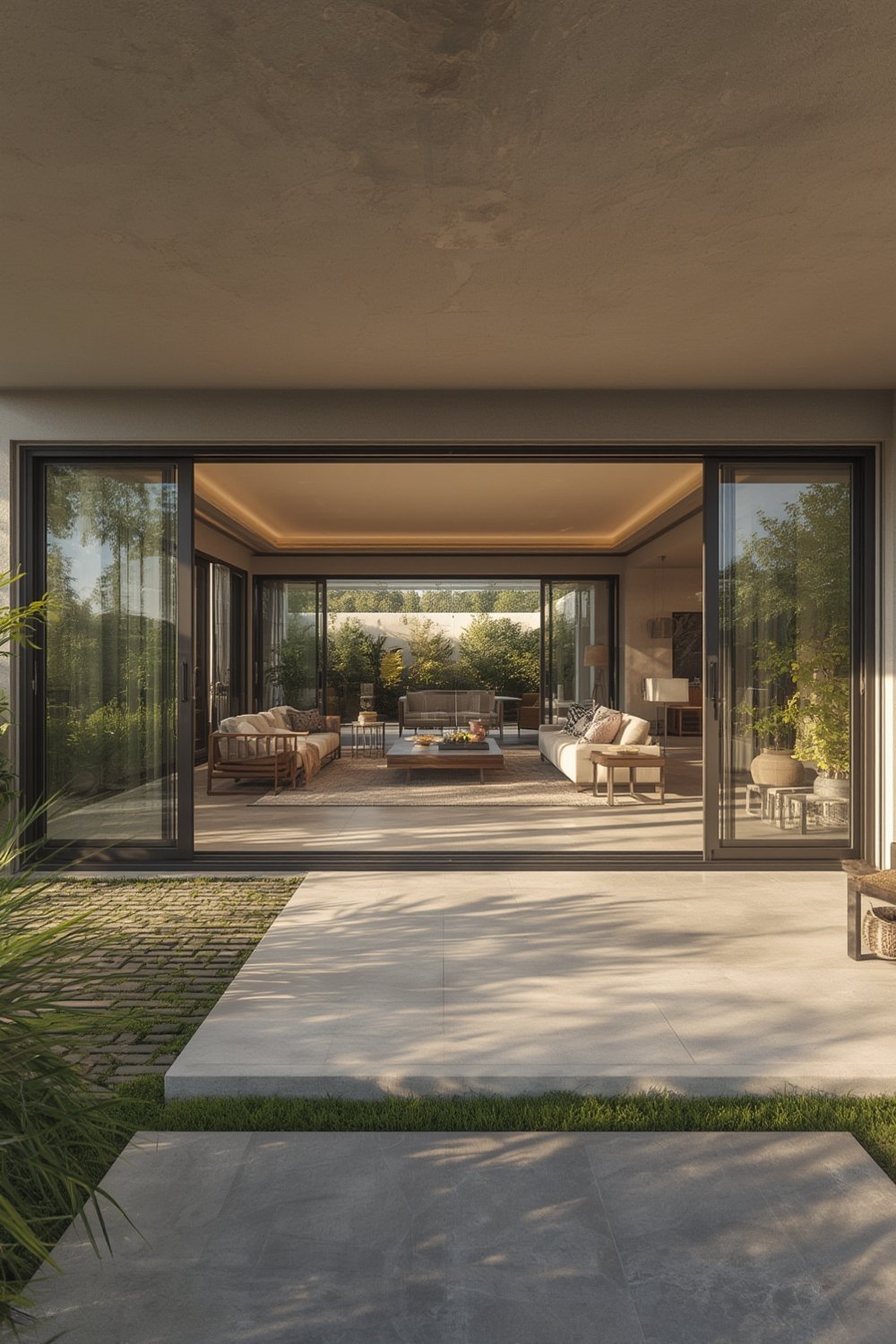
According to Research and Markets, the global outdoor living structures market hit USD 2.32 billion in 2024, propelled by a huge demand spike—especially for pergolas and patios which account for over 64 percent of market revenue. In the US, the sector is growing at 5.56 percent CAGR to 2034. Data from the National Association of Realtors shows that 64 percent of homeowners want multi-functional indoor outdoor living spaces, and 98 percent of industry experts say these updates directly increase home value (NAHB 2024 Survey).
If your focus is a high-performance, healthy, and sustainable home, indoor outdoor spaces tie perfectly into biophilic design principles and net zero ready strategies. See how biophilic design and net zero ready homes can combine with seamless indoor outdoor zones for an even bigger impact.
But it’s not just about beauty or value. True indoor outdoor flow actually supports daily living—giving you more functional room, natural light, and fresh air, while making events, meals, and relaxation much easier.
Step-by-Step Guide: Transforming Your Living Area for True Indoor Outdoor Flow
Whether you have a small backyard, a condo terrace, or a sprawling lot, here’s a practical roadmap you can actually follow to optimize your indoor outdoor living space:
- Assess Your Home’s Bind Point: Start by identifying where you most naturally want to “step outside”. Analyze natural light, privacy needs, close water/electrical lines, wind, and sun angles—just like a professional designer would.
-
Upgrade Entry Points: Replace single doors or windows with sliding, pocket, or folding glass walls for an open feel. For extra weatherproofing, consider high-quality, insulated panels.
See current energy-efficient solutions in this net zero home guide. - Create Functional Outdoor Rooms: Use outdoor rugs, screens, and covered structures like pergolas or pavilions. A covered patio or even a screened porch can extend your living season by months—a major value-add per Grand View Research.
-
Bridge the Style Gap: Choose flooring and ceiling treatments that visually connect interior and exterior—think matching wood, tile, or stone textures for both zones.
Need eco-friendly options? Browse our sustainable building materials list. - Plan for Lighting: Combine ambient, task, and accent lights. Solar string lights, fence post lamps, and deck LEDs help extend usability late into the evening. Get inspiration with solar string lights.
- Focus on Climate and Comfort: Add infrared heaters or shade sails so your outdoor area is usable year-round. Retractable screens can keep out bugs without blocking airflow.
- Keep Privacy in Mind: Use planters, trellises, or living walls for natural screening. See biophilic solutions for more privacy tips: biophilic design.
- Add Smart Automation: Install smart plugs, lighting, and weather sensors so you can control your whole indoor outdoor living space with your phone or voice. Learn more about smart home automation for outdoor spaces.
Try not to overlook maintenance, like gutter protection or even roof rejuvenation. For roofs that extend over outdoor rooms, discover proven strategies to extend roof life without replacement and keep your new living space covered for years.
Advanced Analysis & Common Pitfalls to Avoid
Integrating an indoor outdoor living space isn’t always simple. Here are realistic problems you might face, plus tips to sidestep them:
| Challenge | Impact | How to Address |
|---|---|---|
| Extreme Weather | Can limit use in hot, cold, or rainy seasons | Invest in covered structures, heating, and ventilation. Choose weather-resistant materials found in sustainable building material guides. |
| Bugs and Mosquitoes | Can ruin outdoor dining and relaxation | Select retractable screens or screened porches. For a more advanced approach, try DIY bug misting or netting. |
| Privacy Concerns | Limits comfort and usability in urban or busy neighborhoods | Use vertical gardens, privacy screens, or adjust placement of seating areas. Try living wall ideas in our biophilic architecture benefit guide. |
| Building Codes & Permits | Delays, cost overruns, or failed inspections | Always check with your local building department before major changes, as rules differ by region. |
| Maintenance Issues | Debris, rot, roof leaks, and material weathering add up over time | Set up a simple seasonal maintenance plan. Consider protective coatings and roof rejuvenation for covered areas (roof rejuvenation beats replacement for cost and speed). |
On top of these, watch out for functionality gaps. For example, some guides forget storage solutions—outdoor furniture and cushions last much longer if you have functional storage benches or weather-proof sheds. Energy efficiency and security upgrades are increasingly expected by buyers, especially if you want long-term value—link your build with whole house battery backups or smart locks for resilience and safety.
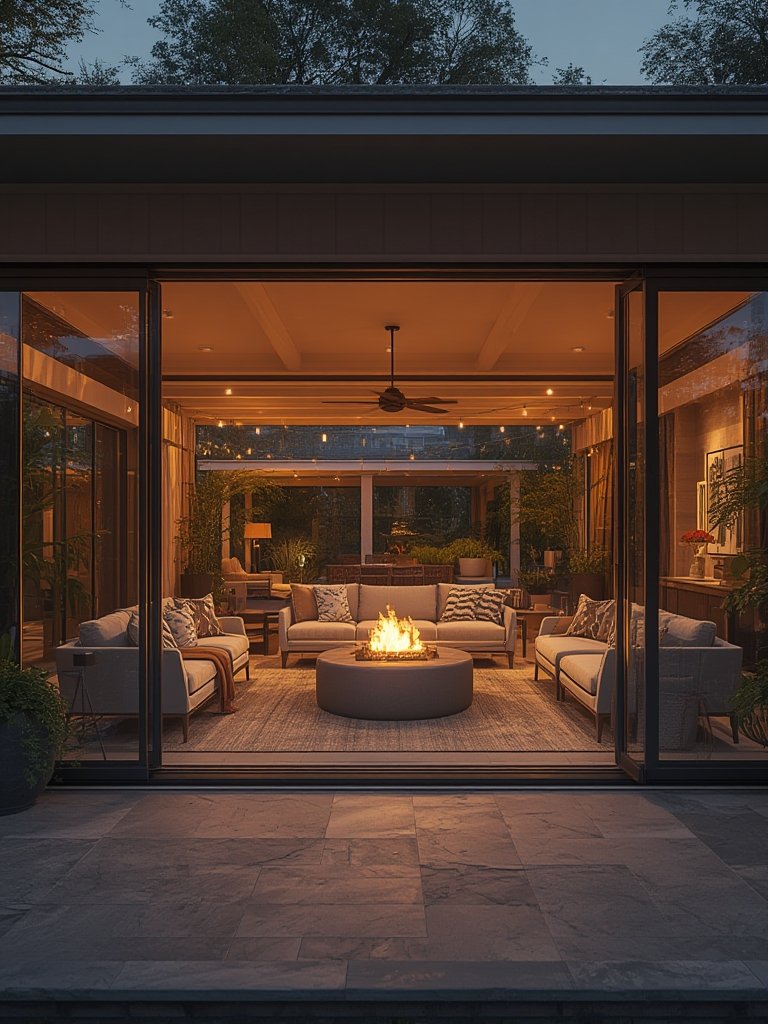
Conclusion
The case for building or upgrading an indoor outdoor living space is strong—rising demand, proven ROI, and direct quality-of-life benefits set this project apart in today’s market. Stay realistic: plan for practical challenges, select the right materials, and link your upgrades to other value-boosters like net zero ready design, natural materials, and green building options.
Now is the best time to transform your indoor outdoor living space. Map your next steps, avoid common pitfalls, and get in touch if you want custom recommendations for your unique project.
Frequently Asked Questions
Will an indoor outdoor living space really increase my home’s resale value?
Yes, industry surveys show nearly all real estate experts agree that indoor outdoor living spaces are among the most likely investments to add resale value, appeal to buyers, and help a home stand out in a competitive market. Cited in the NAHB 2024 survey.
How do I protect against bugs or harsh weather in my new indoor outdoor space?
Combine physical solutions such as retractable or fixed screens, shade sails, or roll-down vinyl panels. Choose bug-resistant landscaping or built-in screen systems for porches to maximize comfort throughout the year.
What’s the cheapest way to start an indoor outdoor living upgrade?
Start small: update your door to a wider patio slider, use modular furniture that transitions between inside and outside, and add solar string lights. For bigger projects, aim for a covered area or basic pergola, which can be expanded over time as your budget allows.
Do I need a permit to change my patio or deck into an indoor outdoor living space?
In most regions, major changes like roof extensions, covered patios, or deck expansions do require permits. Always check with your local building department early in your planning process. Simple layout changes or furniture swaps usually don’t require permits.
How do I make sure my indoor outdoor space is energy efficient?
Use insulated glass, invest in energy-efficient doors and screens, and connect your project with broader home upgrades like solar power or battery backups. See guides on net zero ready homes for more tips.