
### Blog Post:
Solar outdoor lights are rapidly becoming the preferred choice for eco-conscious homeowners seeking affordable, hassle-free garden and security lighting. In this post, you’ll learn what really matters when choosing them, essential installation and maintenance tactics, and real pitfalls to avoid so you can make your investment last.
Key Takeaways
- The solar outdoor lights market in 2024 is booming, but buyers face major challenges with cloudy weather, battery life, and installation.
- Performance, durability, and low maintenance hinge on understanding specifications like lumens, battery type, and waterproofing—not marketing claims.
- Government incentives and dropping solar costs increase value, but most long-term maintenance problems are still under-reported.
- What Are Solar Outdoor Lights and Why Use Them?
- Step-by-Step Guide: Choosing and Setting Up Solar Outdoor Lights
- Advanced Analysis & Common Pitfalls
- Conclusion
- FAQ
What Are Solar Outdoor Lights and Why Use Them?
Solar outdoor lights are standalone lighting systems that use photovoltaic panels to convert sunlight into stored energy, illuminating gardens, walkways, fences, or patios after dark. Instead of running wires or drawing grid power, they charge during the day using batteries—and automatically switch on at night.
The core reasons to use solar outdoor lights are:
- Cost savings: They eliminate ongoing electricity costs and expensive outdoor wiring.
- Low maintenance: Most models run autonomously and require little user attention apart from the occasional battery replacement.
- Sustainability: Using sunlight shrinks your carbon footprint and aligns with government and industry sustainability goals.
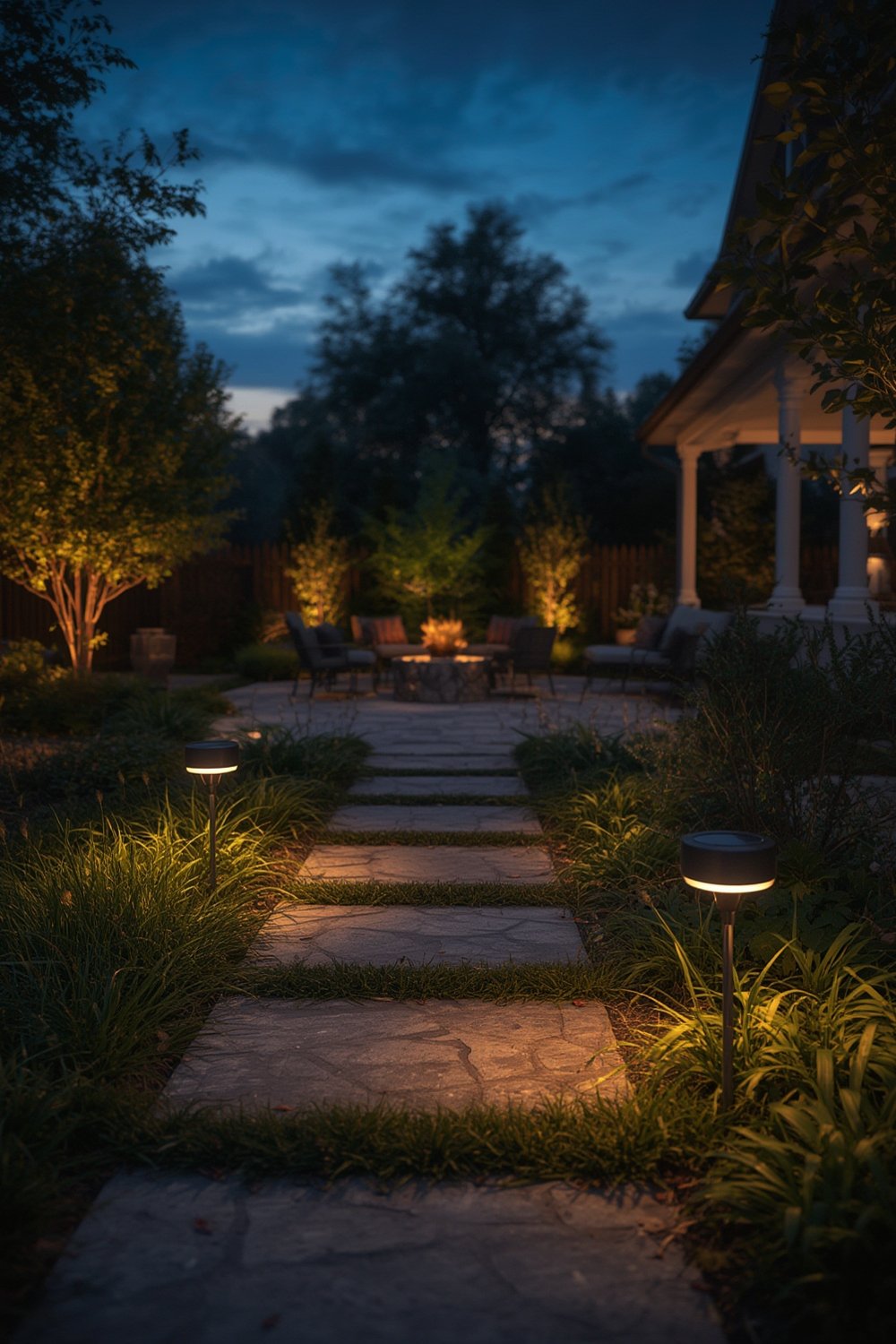
The global market for these lights reflects this surge—projected to exceed $41 billion by 2030, with garden and pathway lights leading the growth [source]. In other words, there’s never been a better time to adopt them, but knowing what to look for is key.
Step-by-Step Guide: Choosing and Setting Up Solar Outdoor Lights
Getting the most from solar lighting requires more than picking the flashiest box at the store. Here’s a proven process you can use:
-
Assess Your Lighting Goals
- Are you trying to add garden mood lighting, secure a dark path, or boost curb appeal?
- Write down which areas you want to target: pathway edges, fence posts, patios, or garden beds.
-
Understand the Key Specifications
- Lumens: Higher lumens equal brighter (200+ for security, 10-50 for decorative use).
- Battery Type & mAh: Lithium-ion batteries last longer and handle temperature swings better than older NiCd types.
- IP Rating: Look for IP65 waterproofing at minimum for real outdoor durability.
- Panel Efficiency: Monocrystalline panels absorb more energy, especially in partial shade.
-
Plan Placement for Best Sun Exposure
- South-facing spots with minimal shade are optimal.
- Test with a phone compass or sun tracking app.
-
Purchase from Trusted Brands
- Consider manufacturers like Signify (Philips SunStay) for proven performance and warranty support [source].
-
Install & Configure
- Follow manufacturer instructions; most now require only basic staking or screwing mounts in place.
- Set up motion sensors and timers for security zones.
-
Monitor and Maintain
- Wipe panels monthly to prevent dust buildup.
- Replace rechargeable batteries every 1-3 years for peak performance.
Looking for inspiration on how to combine solar lighting with net zero home upgrades? Efficient solar outdoor lighting can be one of the easiest ways to start aligning your garden and exterior design with true energy savings.
If you need more sustainable ideas, see our Sustainable Building Materials Guide for home upgrades that maximize value and eco-friendliness.
Advanced Analysis & Common Pitfalls
Most buyers discover that not all solar outdoor lights are created equal. Here’s what research and real-world feedback reveal—plus a table to compare solar and electric lighting options:
Common Pitfalls with Solar Outdoor Lights
- Poor cloud performance: In extended cloudy weather, lights may not charge fully, reducing nighttime brightness and runtime. This remains the top complaint with garden and pathway models [source].
- Battery degradation: Rechargeable batteries naturally lose capacity with repeated cycles, demanding battery replacement every 1-3 years. If your unit lacks easy battery access, this becomes a hidden cost.
- Material quality and water ingress: Despite claimed weather resistance, extreme cold, heat, or hail can crack weak plastic and allow condensation inside.
- Inconsistent brightness: Many cheaper products deliver only 8-10 lumens—barely enough to mark a path, not illuminate one.
- Installation shortcuts: Many competitor articles gloss over how critical good placement and panel orientation are. Cheap models with low-output panels struggle in shade, regardless of claims.
Solar String Lights vs. Electric Outdoor Lights: Side-by-Side Comparison
| Feature | Solar String Lights | Electric Outdoor Lights |
|---|---|---|
| Operating Cost | Zero ongoing cost | Continuous energy bills |
| Lifespan | 3-5 years (replaceable batteries extend life) | 5-10 years, bulbs may need replacement |
| Consistency | Variable—dependent on sun and battery health | Consistent (as long as power is available) |
| Installation | Tool-free, no wiring | May require professional wiring |
| Eco-Friendliness | 100% renewable energy | Depends on grid mix |
| Maintenance | Low (battery swap every 1-3 years) | May need bulb or wiring repairs |
| Vulnerability to Weather | Charging issues in cloud, battery issues in cold/heat | Generally robust if properly installed |
Cost Breakdown and Rebates—What You Need to Know
- Up-front cost: Entry-level solar path lights start around $30 per set, but high-lumen deck or security lights can reach $100+.
- Ongoing cost: Minimal; battery replacements every 1-3 years usually run $8-$20 per light.
- Maintenance: Monthly panel cleaning, occasional battery swap. Most units are nearly plug-and-play.
- Rebates & Incentives: Federal and local programs increasingly reward homeowners for solar upgrades, but few provide direct rebates for solar outdoor lights specifically. The policy focus remains on rooftop solar and larger installations [source].
If you’re thinking of a full home sustainability overhaul, integrating solar lighting is a great complement. Check out biophilic design strategies to further boost your well-being and environmental performance.
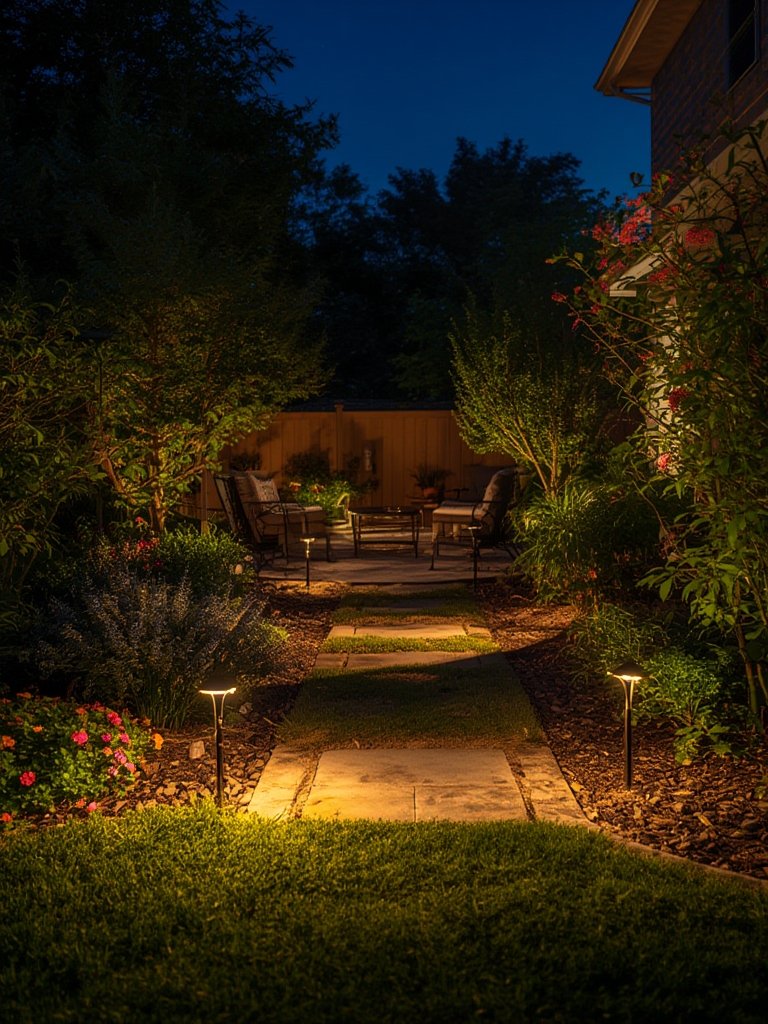
Need help making any system in your home smart, including automated solar lighting? Explore our Smart Home Automation guide for security and efficiency tweaks.
Conclusion
Solar outdoor lights provide an easy, sustainable way to illuminate paths, gardens, decks, and security zones—with almost no operating cost and minimal installation hassle. Before buying, know the specs that matter, expect some maintenance (especially replacing batteries), and set realistic expectations for performance in your local climate. By being a savvy buyer and installer, you’ll maximize the impact of solar outdoor lights and enjoy brighter, greener nights at home.
Ready to light up your yard? Review your sunniest spots, compare real specs, and start small—then scale up once you see the difference. For more ways to upgrade your sustainable lifestyle, see our guides on building with green materials or making your home net zero ready.
FAQ
How long do solar outdoor lights last?
Most solar outdoor lights last 3-5 years, but battery replacement every 1-3 years will extend their life significantly. LED bulbs typically last much longer than the batteries themselves.
Do solar lights work in winter or shady spots?
They will function in winter and partial shade, but expect reduced brightness and shorter runtimes after several cloudy days. For best results, install panels where they’ll receive maximum direct sunlight year-round.
How do you maintain solar outdoor lights?
Wipe dust off the solar panels monthly and replace rechargeable batteries as needed (usually every 1-3 years). Check for water ingress or cracks after storms or freezes.
Are solar lights really waterproof?
Look for lights rated at least IP65 for real world weather resistance. Extreme heat, cold, or hail can still damage plastics or seals, so location and build quality matter.
Are there rebates or incentives for installing solar outdoor lights?
Widespread renewable energy incentives exist, but there are few direct rebates for standalone solar outdoor lights. Check local programs for broader solar or sustainable landscaping upgrades.
—