
Modular furniture for small spaces is transforming how renters, homeowners, and city dwellers optimize limited square footage while keeping their homes stylish and functional. If your living room feels cramped or your apartment lacks flexibility, modular furniture is a smart, proven solution for reclaiming every inch of space.
Key Takeaways
- Modular furniture for small spaces saves space, adapts to evolving needs, and delivers modern style.
- Major market growth is driven by demand among city residents, renters, and remote workers seeking flexible solutions.
- Potential downsides include unclear product specs, difficulty assessing quality online, and a lack of transparent pricing in the current market.
- The Core Concept: What Is Modular Furniture for Small Spaces?
- Step-by-Step Guide: How to Optimize Your Home with Modular Furniture
- Advanced Analysis & Common Pitfalls
- Conclusion
- FAQ
The Core Concept: What Is Modular Furniture for Small Spaces?
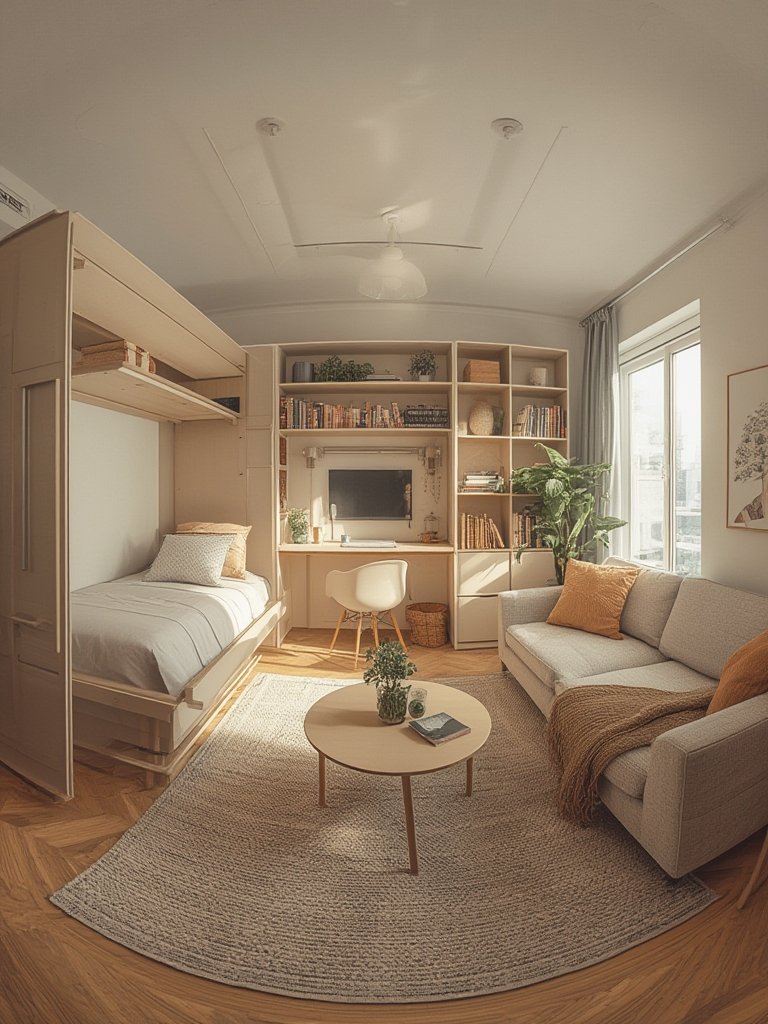
Modular furniture for small spaces means customizable, reconfigurable, and often multi-purpose pieces designed to maximize utility in tight rooms. Unlike standard sofas or tables, modular sofas, shelving, or beds allow you to adapt layouts to changing lifestyles, guest needs, or tiny apartments. Most pieces connect—like blocks or sections—letting you scale up, down, or pivot formats according to your space and storage goals.
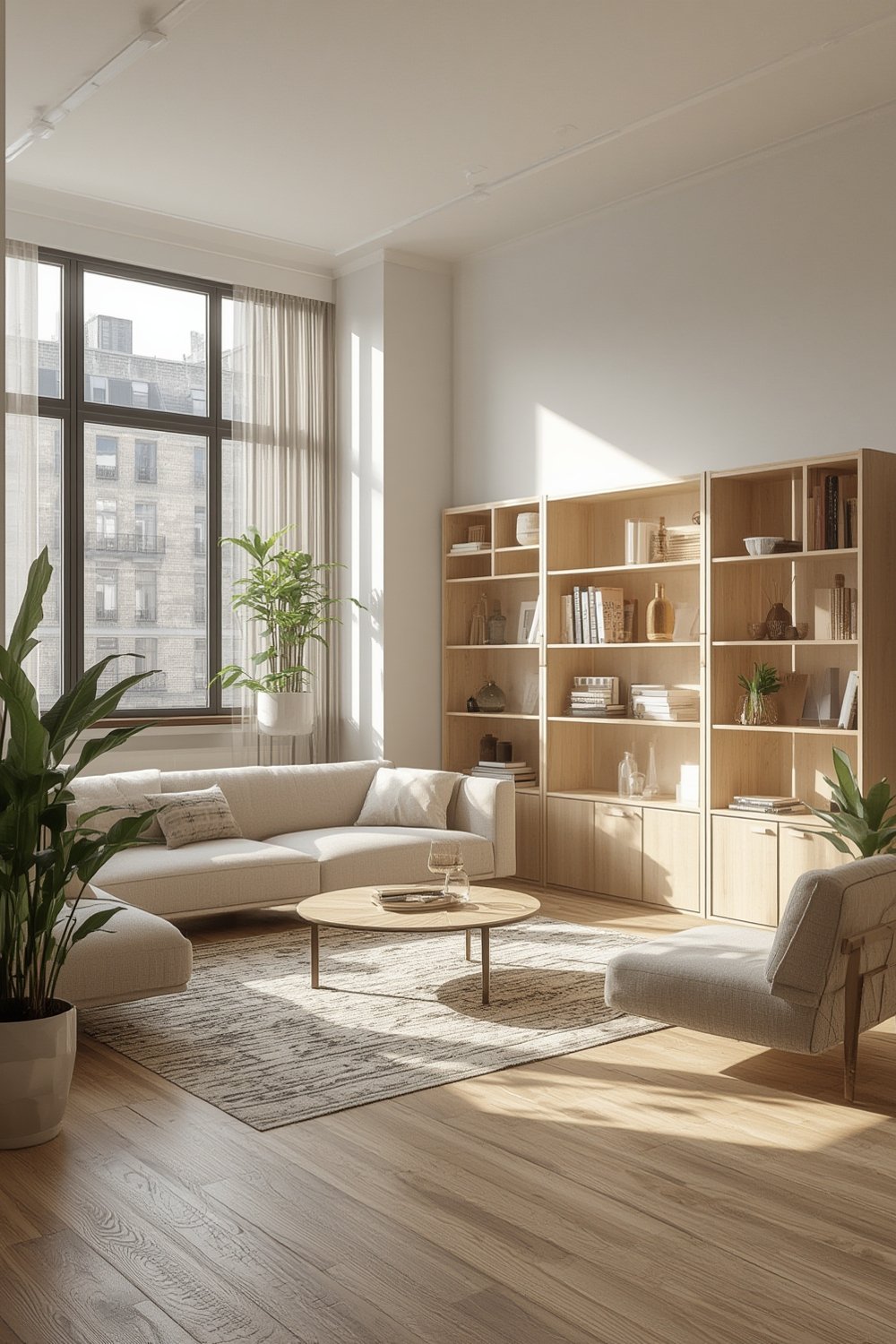
The global modular furniture market reached over USD 81 billion in 2023 and is projected to keep growing as demand for space-saving and flexible home solutions rises. Sofas are the most popular category, followed by modular storage units catching up fast as urban homes get smaller and more organized. Flexibility is the top driver—70% of consumers value the modular approach for its practical use and modern design.
For extra context on sustainable furnishing, see sustainable building materials and how eco-friendly trends interconnect with furniture choices.
Step-by-Step Guide: How to Optimize Your Home with Modular Furniture
Here’s a straightforward plan to bring modular furniture into small spaces without frustration or expensive mistakes.
1. Map Your Space & Vision
- Sketch—or use free digital tools—to define critical areas: sitting, dining, working, and storage.
- Note entryways, windows, closets, radiators, and outlets that limit layout options.
- Prioritize multi-use: can your sofa convert into a guest bed? Can a shelving unit split into a desk or room divider?
2. Shortlist Your Essentials
- List what you truly need—don’t overbuy because many modular pieces double up. Often a compact modular couch and a stackable storage cube system will meet most needs in a studio.
- Check product measurements including both assembled and disassembled/folded states for door, elevator, and stair clearance.
3. Identify High-Performance Categories
- Sofas with Modular Sections: L-shaped or U-shaped models break down into individual seats or chaise lounges. Useful for day/night transformation.
- Multi-Unit Storage: Open cubbies, modular wardrobes, and stackable trunks cater to different zone needs—living, sleeping, or kitchen organization.
- Convertible Tables: Drop-leaf, nesting, or transformer tables serve for dining, work-from-home, or foyer storage, adapting from solo to group use.
For more on smart home setups that enhance small spaces, see our breakdown of DIY smart home automation strategies.
4. Test for Comfort and Quality
- Whenever possible, visit local showrooms or “try before you buy.” Offline sales dominate because people want to check support, cushion feel, and joinery quality in person.
- If you buy online, check return policies and reviews, but be prepared for limited information—few brands disclose frame materials, weight limits, or durability specs publicly.
5. Consider Assembly and Flexibility
- Read detailed assembly instructions to check for tool requirements or potential complexity. Some modular sets are genuinely easy, while others demand patience (and two people).
- Choose pieces that allow you to change layouts as your needs evolve (adding, splitting, or repurposing sections) rather than “fixed” modular kits that are harder to expand later.
6. Blend with Existing Decor
- Opt for neutral tones and clean lines if you want a seamless look between new modular and existing furniture.
- Add personality with modular accessories—like stacking side tables, bright cushion covers, or color panel inserts.
Integrate clever space-saving strategies with broader projects like biophilic home design to create an airier, healthier small-space environment.
Advanced Analysis & Common Pitfalls
While modular furniture offers real flexibility, there are several realistic issues and pitfalls to consider before investing:
- Lack of Transparent Specs: Most brands don’t publish precise technical information like load ratings or detailed material data, which makes comparing reliability tough.
- Quality Fluctuations: Lower-cost plastic modular pieces are growing fast and can be handy, but quality and join stability can vary widely between brands (source).
- Showroom vs Online Purchases: Since comfort and finish are best judged in person, buying online can lead to surprises, with return policies that are often strict or unclear.
- Limited Real-World Examples: Despite huge demand, there is a shortage of detailed, real-life case studies or transformative stories about actual home makeovers using modular solutions.
- Unclear Price Ranges: The market lacks transparency in pricing, with significant differences between budget, midrange, and premium modular systems. This makes it hard to set a realistic budget before shopping (source).
Regional Market Performance
| Region | 2023-2024 Revenue | Growth Rate | Key Drivers |
|---|---|---|---|
| North America | USD 15.4 billion (2023) | 4.4% CAGR (2024-2032) | Remote work, urbanization, small homes |
| China | USD 6.2 billion (2023) | 5.9% CAGR (2024-2032) | Urbanization, rising middle class, compact living |
| Europe (Germany) | Data not specified | Implied growth | Sustainability, compact preferences, quality |
It’s clear that North America leads the market, influenced by remote work and urban-driven demand—while China experiences rapid growth thanks to younger buyers and tight apartment trends.
If you’re updating your home for both energy efficiency and space use, consider also how net zero ready homes blend with modular setups for a full transformation. For broader home longevity, explore roof shingle rejuvenation and ensure updates aren’t just inside.
Conclusion
Modular furniture for small spaces turns limited square footage into a versatile, adaptive home environment—whether you rent a downtown apartment, manage a starter family home, or simply want more from your living areas. Knowing the benefits, possible downsides, and how to navigate market gaps will help you make informed choices and avoid disappointment with your next purchase.
Ready to transform your space? Start planning your modular upgrade today—your ideal layout is closer than you think.
FAQ
What makes modular furniture ideal for small spaces?
Modular furniture is customizable and often multi-purpose, letting you reconfigure layouts, combine or split up pieces, and maximize utility in limited square footage. It’s perfect for evolving needs or temporary living setups.
Are there any downsides to modular furniture?
Some downsides include lack of technical detail (like weight limits), quality differences between brands, and harder in-person testing when shopping online. Price ranges can also be unclear, which may complicate budgeting.
Is modular furniture expensive?
Modular furniture comes in a wide range of prices, but public research lacks solid data on typical costs by category. Generally, basic plastic pieces are most affordable, while larger upholstered modular sofas or units can become pricey.
How do I know if a modular piece will fit my apartment?
Careful measurement is critical—include not just your floor plan, but also doorways, elevators, and stairs. Always check modular unit widths and depths in both assembled and unassembled forms.
Where can I learn more about sustainable, space-saving home solutions?
For ideas on eco-friendly materials and integrated home upgrades, check out our guide to sustainable building materials and biophilic design for small homes.