
### Blog Post:
Net zero ready homes are changing how North Americans approach housing, offering a new standard for energy savings, comfort, and long-term resilience—even if the path isn’t always smooth.
Key Takeaways
- Net zero ready homes are growing fast in North America, with over 15,000 certifications in 2024 alone.
- Cost, technical know-how, and retrofit challenges are the main obstacles for most homeowners wanting to upgrade.
- Avoiding common mistakes and using practical steps can maximize energy efficiency and return on investment.
- What Are Net Zero Ready Homes & Why Do They Matter?
- How to Achieve Net Zero Ready Status: Step by Step
- Advanced Analysis & Common Pitfalls
- Conclusion
- FAQ: Net Zero Ready Homes
What Are Net Zero Ready Homes & Why Do They Matter?
Net zero ready homes are high-performance residences designed and built to require minimal energy, with the infrastructure in place to add solar or other renewable systems in the future. This type of home is so well-insulated and efficient that—once solar is added—it should theoretically produce as much energy as it uses over the year.
The reasons for their explosive growth are simple: rising energy prices, new climate regulations, and growing public awareness. In 2024, the Department of Energy’s Zero Energy Ready Home program certified almost 15,000 new single-family homes, which more than doubled from just a year earlier (EEBA).
States like Maryland, Texas, and Arizona are leading the charge. Market analysts forecast this trend will accelerate, projecting the worldwide net zero energy buildings sector will jump from $41.6 billion in 2024 to $192 billion by 2033 (Custom Market Insights).
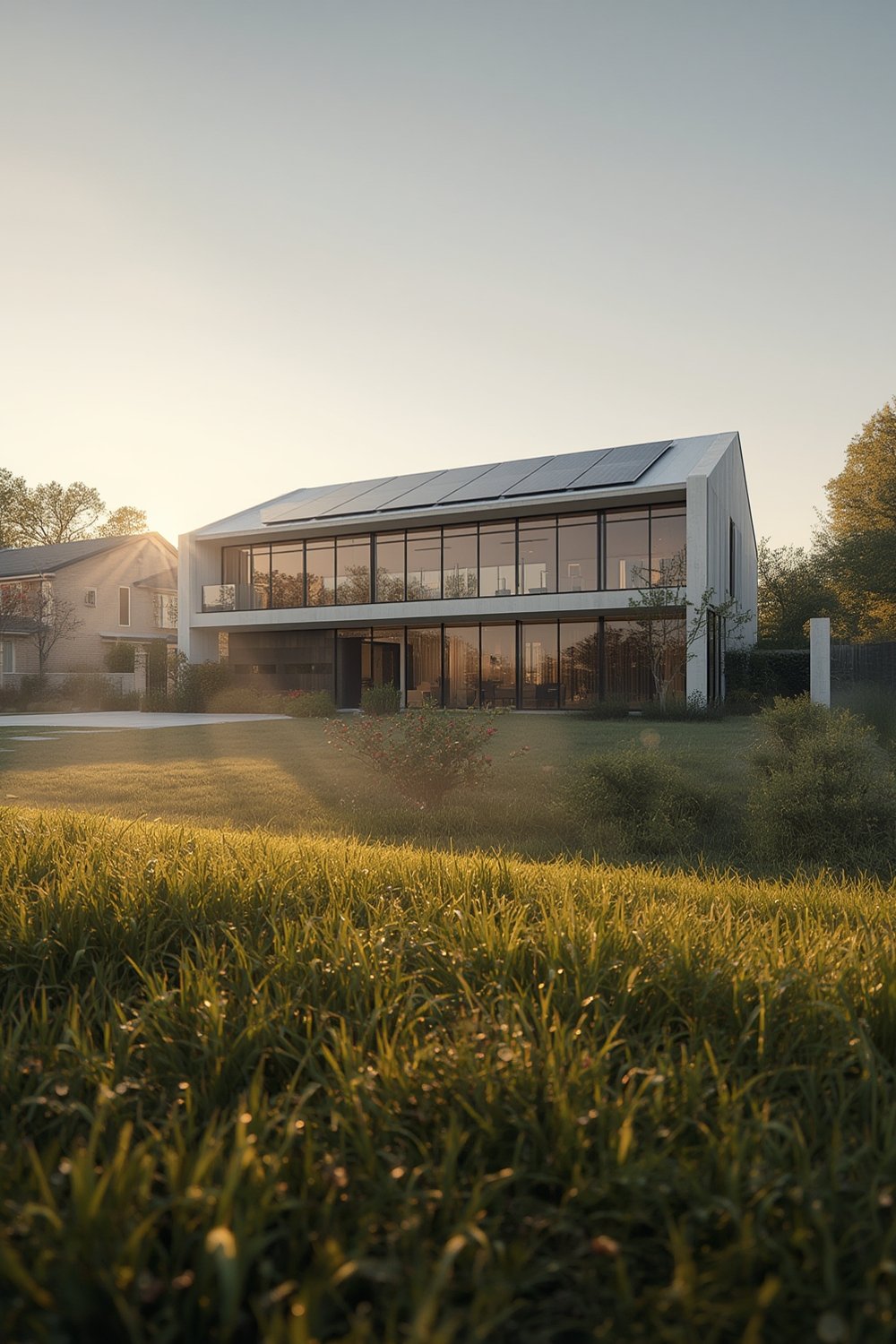
For families, the appeal is clear: lower or zero energy bills, healthier indoor air, and stronger protection from utility price spikes. The catch? Building or upgrading to net zero ready is not always easy.
How to Achieve Net Zero Ready Status: Step by Step
- Assess Your Home’s Current Energy Profile
Start with a professional energy audit. This uncovers where you’re losing energy—through leaky windows, poor insulation, outdated appliances, or inefficient HVAC. - Prioritize Insulation & Envelope Improvements
Upgrade wall, attic, and basement insulation. Air sealing plus better windows and doors makes the biggest difference, especially in extreme climates. - Install High-Efficiency HVAC & Ventilation
Replace old furnaces or air conditioners with cold-climate air source heat pumps, paired with balanced (HRV or ERV) ventilation for excellent air quality. - Switch to All-Electric, Smart Appliances
Induction stoves, heat pump water heaters, and Energy Star laundry and refrigeration will slash your load even before renewables. - Prewire or Prepare for Solar
Even if you’re not ready to install solar now, make sure roof structures, electrical panels, and wiring are set up for future upgrades. Solar-ready design pays off later—and ensures no costly rework. - Integrate Home Automation
Smart home automation systems can optimize energy use, schedule loads, and add security. They also help monitor real-time consumption, highlighting opportunities for savings. - Work with Accredited Pros
Choose contractors with experience in building or retrofitting homes to net zero standards. Not all building professionals have the latest knowledge—verify credentials and past project success.
If your roof is aging, schedule a roof shingle rejuvenation treatment before adding solar panels. Extending the roof life first prevents costly solar removal and reinstallation for future repairs. If you’re managing costs, modular homes can be an option—these start as low as $55 per square foot but may vary by region (MESOCORE).
Advanced Analysis & Common Pitfalls
Upgrading to—or building—a net zero ready home is not failproof. Several overlooked issues can sabotage your results:
- High Upfront Costs: Insulation, new windows, and high-efficiency HVACs require substantial investment. Modular approaches help, but retrofits can be expensive, sometimes rivaling new build prices.
- Poor Integration: Retrofits often fail if new systems (HVAC, solar, smart automation) aren’t fully coordinated. Inadequate planning means missing rebate deadlines or futureproofing steps.
- No Standard R-Values: Unlike Europe, 2024 North American codes do not mandate climate-zone-specific R-values for net zero ready status (Custom Market Insights). This makes it hard to compare “net zero” claims or to assess ROI.
- Labor Shortages: Finding skilled contractors adds time and raises project costs.
- Insufficient Solar Prep: Retrofitting solar onto an unprepared roof or electrical panel can require major structural changes.
| Upgrade Step | New Build (avg. cost) | Retrofit (avg. cost) | Common Mistakes |
|---|---|---|---|
| Insulation | $3–6 per sq. ft. | $5–10 per sq. ft.* | Poor air sealing, cheap materials, insufficient R-value |
| Windows/Doors | $25,000+ total | $30,000+ total | Low specs, ignoring thermal bridging, installation gaps |
| HVAC/Heat Pump | $12,000–$25,000 | $18,000–$30,000 | Poor sizing, lack of ventilation upgrades |
| Solar-Ready Wiring | $2,000–$4,000 | $5,000+ if retrofitted | Panel undersized, poor roof orientation |
*Retrofit costs can be higher due to demolition and complexity.
Homeowners also struggle with understanding which upgrades yield the fastest return. For example, focusing on envelope improvements (insulation, windows, low carbon building materials) can cut energy loads by half, improving comfort and enabling a smaller, more affordable solar system in the future.

If you automate your home, use a DIY smart home automation setup that ensures all appliances and HVAC systems work together, not in conflict. Avoid overly complex systems that few contractors can service or update.
Conclusion
Net zero ready homes offer real benefits—lower bills, higher comfort, a step ahead of coming regulations. But getting there takes strategic upgrades, careful planning, and the willingness to invest. With over 15,000 net zero ready homes certified in 2024 and the global market set to rise, now is the time to rethink your next home project.
Learn more about integrating sustainable renovation materials or using roof rejuvenation to prep your home for energy upgrades. If you’re ready to reduce your footprint and increase home value, start your net zero ready homes journey today.
FAQ: Net Zero Ready Homes
What exactly makes a home “net zero ready”?
It’s a house that uses very little energy for heating, cooling, and power—thanks to a high-performance envelope, efficient HVAC, and wiring for solar—even if solar panels aren’t installed yet.
Is it cheaper to build new or retrofit an old home to net zero ready standards?
Building new is usually less expensive per square foot, since you can plan for everything upfront. Retrofitting—especially insulation and wiring—can cost more because of labor and demolition.
Do net zero ready homes require specific building materials?
Most use high-performance insulation, triple-glazed windows, and low carbon building materials like recycled or renewable options to maximize efficiency.
How do smart home systems factor into energy efficiency?
Smart systems let you optimize when your heating, cooling, and appliances run—saving power and helping you track usage trends. See our guide to smart home automation for more details.
What’s the biggest pitfall when upgrading to net zero ready?
Not planning the upgrades in the right order—like adding solar before upgrading insulation or missing out on incentives because of poor coordination with contractors.